
Attention Substack users! ETO blog posts are also available on Substack.
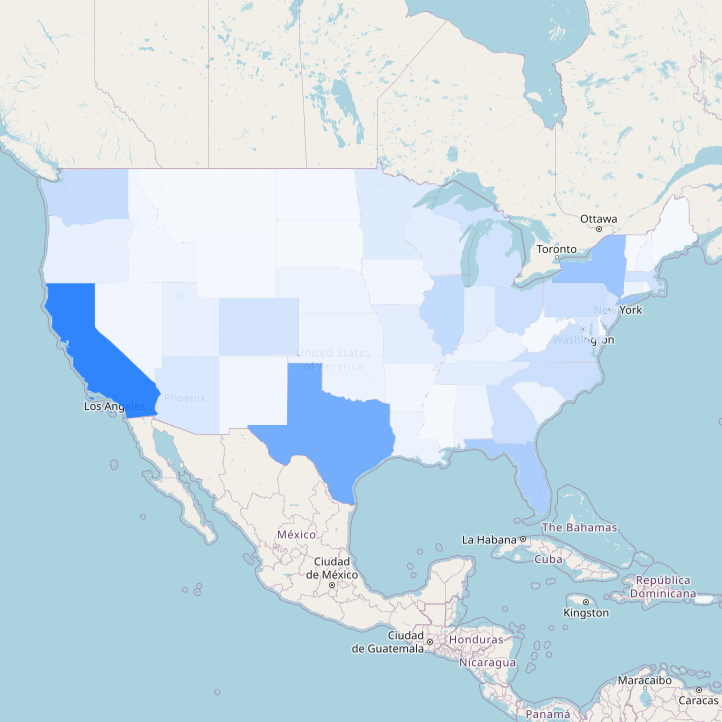
Today, the Emerging Technology Observatory is releasing an update to PATHWISE (Prototype Analytics for Tracking High Demand Workforce in Innovative Skill Ecosystems). This tool maps the demand for, and employment in the AI and cybersecurity workforces across U.S. regions, allowing policymakers, educators and researchers to identify emerging tech hubs and explore the talent development pipeline.
Tool Updates:
We implemented the following updates to PATHWISE’s interface and underlying data:
- New AI and Cyber workforce definitions: CSET refined its definitions of the AI and cybersecurity workforce to specifically identify demand and the number of employees actively involved in these labor markets. Previously, we followed an occupation-based approach that included a broad range of job roles and employees in each of these workforces. The tool now uses results from machine learning (ML) classifiers trained on Lightcast’s job postings data to more precisely identify postings related to AI development and cybersecurity. Using the classifier’s results, we estimated the number of AI and cybersecurity employees using Lightcast worker profiles data.
- Updated with more recent data: The tool now displays workforce metrics from January 1, 2025 to April 30, 2026 and education metrics for 2024.
- More granular occupation levels: The tool now aggregates top 5 job titles in demand and employment using Lightcast’s Occupation Taxonomy, which provides more granularity than the previously used federal SOC-5 job occupation codes
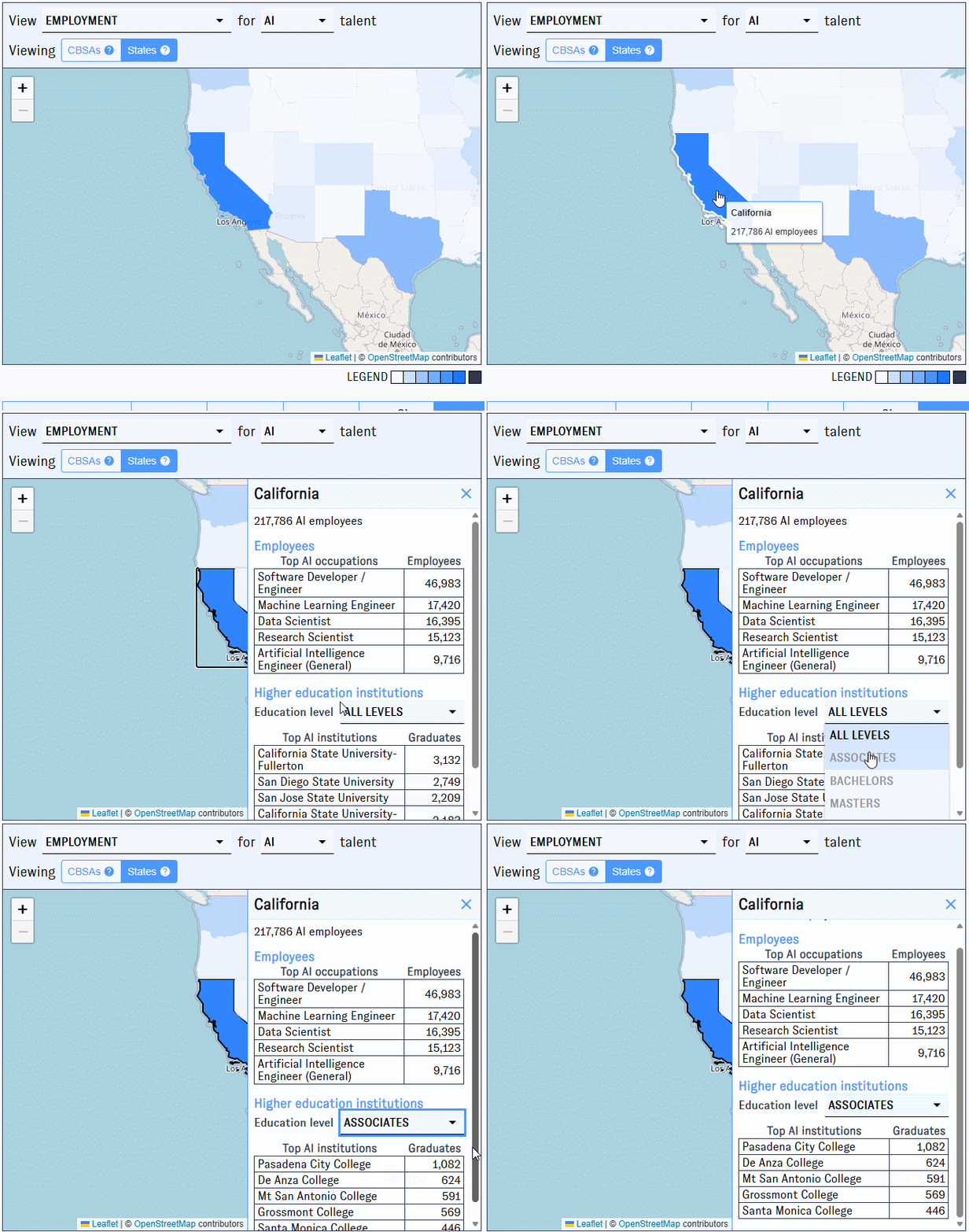
- Added Associates degrees: PATHWISE now includes associates degrees, along with the existing Bachelor’s, Master’s and PhD education levels. This allows us to identify the top 5 universities in a region producing AI and cybersecurity graduates with associate degrees.
AI Workforce Analysis
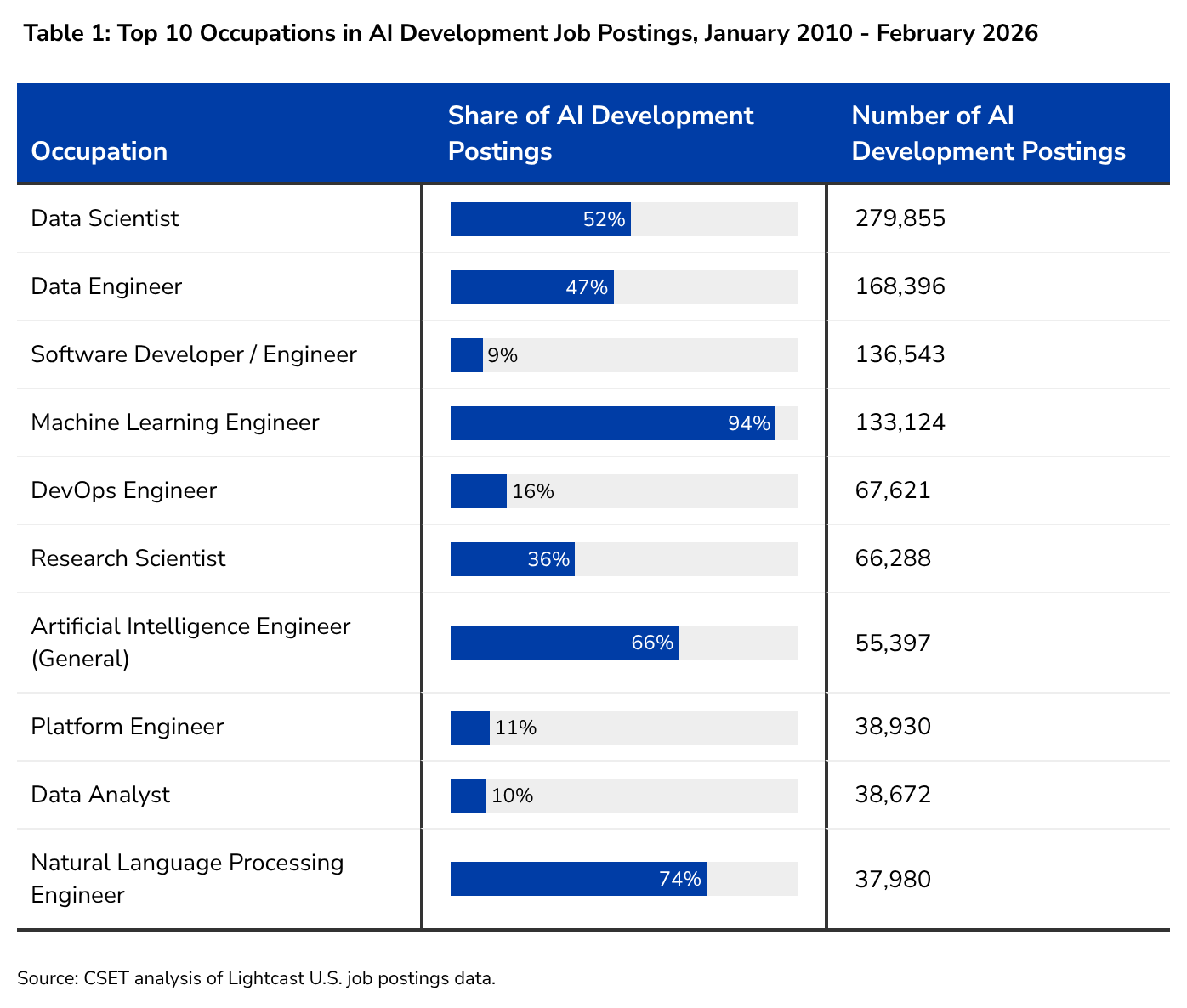
Accompanying this update, CSET published a data brief that describes our model development and methodology for identifying AI development job postings, and estimating the size of the AI workforce. Using this methodology, we found that AI development roles constitute a small portion of the total U.S. workforce, accounting for less than 1% of both total labor demand and employment. AI development is also concentrated in highly technical occupations, although among these occupations the proportion of roles that directly support AI development varies widely, as seen in Table 1.
You can read more about our methodology for identifying the AI development workforce and explore these updates in PATHWISE. Stay tuned for more PATHWISE updates, including adding more emerging technology workforces. As always, we value your feedback and are happy to help - visit our support hub to contact us with any questions or feedback, and book live support with an ETO staff member.